Gut Health for Women Over 40: What Changes and How to Help

You used to be able to eat anything. Then, somewhere in your early forties, things started shifting. The bloating after meals that wasn't there before. The foods that suddenly don't agree with you. The digestion that feels sluggish in ways it simply didn't a decade ago.
If this sounds familiar, you're not imagining it — and you're not alone. Digestive changes in midlife are among the most commonly reported physical shifts for women, yet they're rarely discussed openly, often dismissed as minor, and frequently attributed to stress or "just getting older" without much further explanation.
The truth is more interesting, and considerably more actionable. Your gut is changing for specific, identifiable reasons — and understanding those reasons makes it possible to do something genuinely helpful about them.
This article brings together current research on the gut microbiome, hormonal shifts, and practical nutrition to give you a clear picture of what's happening and where to start. It complements the traditional approaches covered in the Ayurveda and Chinese medicine articles on this site — think of it as the modern science lens on the same important question.
The Gut-Hormone Connection Nobody Talks About
Here is the connection that most women in midlife are never told about: your gut microbiome and your hormones are in constant, bidirectional conversation. They regulate each other. And when one shifts significantly — as hormones do during perimenopause — the other is affected too.
The mechanism works like this. A specific collection of gut bacteria, known as the estrobolome, is responsible for metabolizing and regulating circulating estrogen in the body. When the estrobolome is healthy and diverse, it processes estrogen efficiently. When it's disrupted — through poor diet, antibiotic use, chronic stress, or the natural changes of aging — estrogen metabolism becomes less efficient, which can worsen the hormonal fluctuations already happening during perimenopause.
This is why gut health and hormonal symptoms are so closely linked in midlife, even though they're rarely discussed together. The bloating, the mood shifts, the disrupted sleep, the brain fog — these are not separate problems requiring separate solutions. They're often expressions of the same underlying disruption.
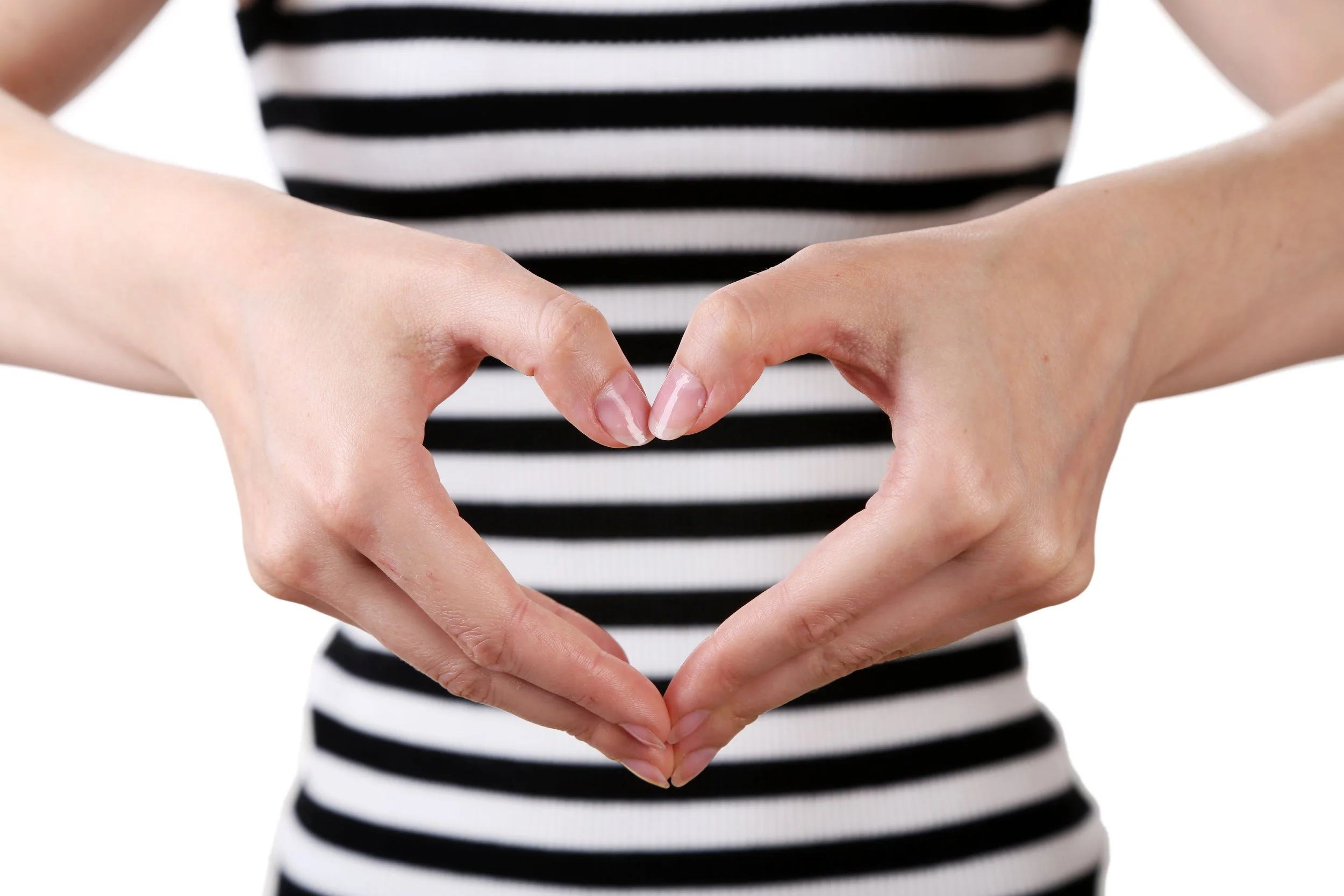
Your gut isn't just a digestive organ. In midlife, it's one of the key sites where your hormonal health is either supported or undermined — every single day.
The connection between what you eat and how you think and feel is explored in depth in feeding your mind: the power of nutrition for mental well-being — which pairs well with this article if you're experiencing cognitive symptoms alongside digestive ones.
What Actually Changes in the Gut After 40
Let's be specific about the mechanisms, because vague warnings about "gut health declining with age" are neither helpful nor fully accurate.
Microbiome diversity decreases. A healthy gut contains hundreds of bacterial species living in complex, dynamic balance. Research consistently shows that this diversity tends to decline with age — and that lower diversity is associated with increased inflammation, weakened immune response, and less efficient nutrient absorption. The good news: diversity responds to dietary changes, often within weeks.
Digestive enzyme production slows. Your body produces fewer digestive enzymes after 40 — the proteins responsible for breaking down food. This is a primary reason that foods you tolerated easily in your thirties may now produce bloating, gas, or discomfort. Lactose and certain high-fat foods are particularly common culprits.
Gut motility changes. The muscles of the digestive tract contract with less efficiency over time, which means food moves more slowly through the gut. This contributes to constipation, bloating, and the uncomfortable heaviness many women notice after meals that previously caused no trouble.
The gut lining becomes more permeable. A decline in estrogen affects the integrity of the gut lining — the single-cell-thick barrier that regulates what enters the bloodstream. When this barrier becomes more permeable (a condition sometimes called "leaky gut"), it can contribute to systemic inflammation, food sensitivities, and immune reactivity.
The gut-brain axis becomes more reactive. The vagus nerve connects the gut and brain in a communication highway that runs in both directions. As hormonal fluctuations increase stress reactivity, the gut often becomes more sensitive to emotional states — which is why anxiety and digestive symptoms so frequently travel together in midlife.
Foods That Actively Support Gut Health
The most powerful tool you have for your microbiome is, consistently, what you eat. Not supplements first — food first. Here is what the evidence most consistently supports:
Fermented foods — the highest-leverage addition.
Live-culture fermented foods directly introduce beneficial bacteria into the gut and have been shown to increase microbiome diversity within four weeks of regular consumption. The most accessible options:
Natural yogurt (with live cultures listed on the label — not heat-treated after fermentation)
Kefir — a fermented milk drink with a wider range of bacterial strains than most yogurts, and often better tolerated by those with mild lactose sensitivity
Sauerkraut and kimchi — fermented cabbage, ideally unpasteurised, found in the refrigerated section rather than the shelf-stable aisle
Miso — fermented soybean paste, excellent stirred into warm (not boiling) water or used in dressings
Kombucha — fermented tea, though choose versions lower in sugar
Start with small amounts if fermented foods are new to you. The gut adjusts, and beginning with too much can temporarily increase gas and bloating before things settle.
Prebiotic foods — feeding the bacteria you already have.
Prebiotics are the fibres that your beneficial gut bacteria ferment for fuel. Without adequate prebiotic intake, even the best probiotic supplement has little to work with. The richest sources:
Garlic and onions — particularly when eaten raw or lightly cooked
Leeks, asparagus, and Jerusalem artichokes
Slightly underripe bananas — the resistant starch decreases as they ripen
Oats — particularly rolled or steel-cut rather than instant
Legumes: lentils, chickpeas, black beans
The simplest practical goal: aim for 30 different plant foods per week. This sounds ambitious, but herbs, spices, nuts, seeds, and every variety of vegetable or fruit each count. Variety of plant foods is the single measure most consistently associated with microbiome diversity.
Polyphenol-rich foods — the underrated gut supporters.
Polyphenols are plant compounds that act as a food source for specific beneficial bacteria and have anti-inflammatory properties. The richest everyday sources:
Extra-virgin olive oil — particularly valuable because it's also anti-inflammatory
Berries of all kinds — blueberries, raspberries, blackberries, strawberries
Dark chocolate (70% or above) — genuinely a prebiotic food in modest amounts
Green tea and black tea
Red onions, purple cabbage, and other deeply pigmented vegetables
Adequate protein — more important than many women realize.
Protein intake tends to decline in midlife, often because appetite patterns change or because women shift toward lighter eating. But protein is essential for maintaining gut lining integrity and supporting the immune cells concentrated in the digestive tract. Aim for protein at every meal — eggs, fish, poultry, legumes, dairy, tofu — rather than concentrating it at dinner.
Habits That Harm Your Gut (and Are Worth Reconsidering)
Equally important as what you add is what you reduce. These are the most consistent gut disruptors in midlife:
Chronic stress, unmanaged. Stress hormones directly alter gut motility, increase intestinal permeability, and shift the microbiome composition toward less beneficial species. This is not a minor effect — it's one of the most significant gut disruptors identified in research. Managing stress is genuinely a digestive health strategy, not a luxury.
Frequent antibiotic use without probiotic support. Antibiotics are sometimes necessary and life-saving — but they also significantly disrupt the microbiome, and the disruption can persist for months. If antibiotics are prescribed, ask your doctor about taking a probiotic supplement during and after the course.
Ultra-processed foods. The emulsifiers, artificial sweeteners, and preservatives found in ultra-processed foods have been shown to disrupt the gut lining and alter microbiome composition in ways that promote inflammation. This doesn't require eliminating all processed food — but shifting toward more whole foods as the default significantly changes the gut environment over time.
Eating too quickly, and too infrequently. Digestion begins in the mouth, and thorough chewing is genuinely important — it activates digestive enzymes and signals the rest of the digestive tract to prepare. Eating at speed, standing up, or skipping meals disrupts the digestive rhythm in ways that accumulate over time.
Alcohol, particularly regularly. Alcohol is directly toxic to gut bacteria and increases intestinal permeability. This doesn't require abstinence — but even modest regular alcohol consumption has measurable effects on the microbiome, which is worth knowing.
Probiotics and Prebiotics: What to Actually Take
The supplement market for gut health is enormous and often confusing. Here is a practical, evidence-based orientation:
Food before supplements. For most women, improving the diet as described above will produce more significant and lasting change than any supplement. Supplements work best as support on top of a good dietary foundation, not as a substitute for one.
If you choose a probiotic supplement, strain matters. Not all probiotics are equal. The strains with the strongest evidence for general digestive health in women include Lactobacillus acidophilus, Lactobacillus rhamnosus, and Bifidobacterium longum. Look for a multi-strain product with at least 10 billion CFU (colony-forming units) and refrigerated storage, which indicates live cultures.
Targeted probiotics for specific concerns. If bloating is your main concern, Lactobacillus plantarum has the most consistent evidence. For antibiotic-associated disruption, Saccharomyces boulardii (technically a yeast, not a bacterium) is particularly well-studied. For mood and gut-brain axis support, Lactobacillus helveticus and Bifidobacterium longum have emerging evidence.
Prebiotic supplements. Inulin and FOS (fructooligosaccharides) are the most commonly used prebiotic supplements. They can be helpful for women whose diet is low in prebiotic-rich foods, but they also cause gas and bloating if introduced too quickly — start with a small dose and increase gradually.
The Gut and Sleep: A Two-Way Street
One connection that often surprises women: the gut and sleep quality are significantly interrelated, and both are disrupted in midlife.
The gut produces approximately 90% of the body's serotonin — the neurotransmitter that is a precursor to melatonin, the hormone that regulates sleep. When gut health is compromised, serotonin production can be affected, which creates a pathway through which digestive disruption contributes to sleep disruption. This is one reason that women who improve their gut health often report better sleep as a side effect they weren't expecting.
The reverse is also true: poor sleep increases gut permeability and alters the microbiome toward a less diverse, more inflammatory composition. The two systems reinforce each other in both directions — which means improving either one tends to positively affect the other.
If disrupted sleep is a significant concern alongside digestive symptoms, the guide to healthy sleep habits in midlife addresses the hormonal, practical, and lifestyle dimensions of this specific challenge.
The Traditional Medicine Perspective: Where East Meets West
Western nutritional science and traditional medicine systems aren't in conflict on gut health — they're approaching the same territory from different angles, and often arriving at complementary conclusions.
Ayurveda has understood the gut as the seat of health for thousands of years — the concept of Agni (digestive fire) maps closely onto what we now understand about digestive enzyme function and gut motility. The Ayurvedic approach to gut health on this site offers a beautiful complement to the evidence-based framework here, particularly around warming foods, eating rhythm, and seasonal adjustment.
Traditional Chinese medicine similarly emphasises the relationship between the digestive system, emotional state, and overall vitality — with specific dietary recommendations that increasingly align with what the microbiome research supports. The 20 Chinese medicine tips for better gut health is worth reading alongside this article for the practical day-to-day guidance it offers.
The convergence between these traditions and modern science is not a coincidence. These systems were observing the same human body, over many generations, and recording what worked.
When to Talk to a Doctor
Gut health changes in midlife are common — but some symptoms warrant medical attention rather than dietary adjustment alone. Please consult your doctor if you experience:
Unexplained and significant changes in bowel habits that persist for more than a few weeks
Blood in the stool or rectal bleeding
Unintended weight loss alongside digestive symptoms
Severe or worsening abdominal pain
Symptoms that suggest iron-deficiency anaemia: fatigue, pallor, breathlessness
These are not reasons for alarm — they are reasons for investigation. Most turn out to have straightforward explanations. But they're important to rule out before attributing everything to midlife changes.
For bone and joint health concerns that often accompany the hormonal shifts of this life stage, the guide to osteoporosis: causes, risk factors, and prevention is a valuable companion — the same hormonal changes affecting your gut are also affecting your skeletal health, and understanding both together gives a more complete picture.
Where to Start: A Simple First Week
Rather than overhauling everything at once, here is a minimal, manageable starting point:
Day 1–2: Add one fermented food daily. A small pot of natural yogurt with breakfast, a tablespoon of sauerkraut alongside lunch, a glass of kefir.
Day 3–4: Audit your plant variety. Count how many different plants you ate in the last week. Most people are surprised by how narrow the range is — and motivated to broaden it.
Day 5: Eat one meal slowly and sitting down, without screens or distraction. Notice how it feels different.
Day 6–7: Reduce one ultra-processed food you consume regularly and replace it with a whole food alternative. Just one.
Small, consistent changes to the gut environment produce measurable effects within four to six weeks. The microbiome is adaptable and responsive — much more so than most people expect. You don't need a dramatic overhaul. You need a better direction, maintained over time.
A Final Thought
Your gut at 45 is not your gut at 25 — and that's not a problem to solve so much as a reality to understand and work with. The changes are real. So is your capacity to influence them.
The women who navigate midlife health most successfully are not the ones who resist what's changing — they're the ones who get curious about it, learn what's actually happening, and make thoughtful adjustments. That's exactly what you're doing by reading this.
Your gut has been working for you your entire life. A little more attention and care, and it will continue to do so.