Comfort Eating or Comfort Nourishment? Rethinking Autumn Food After 50
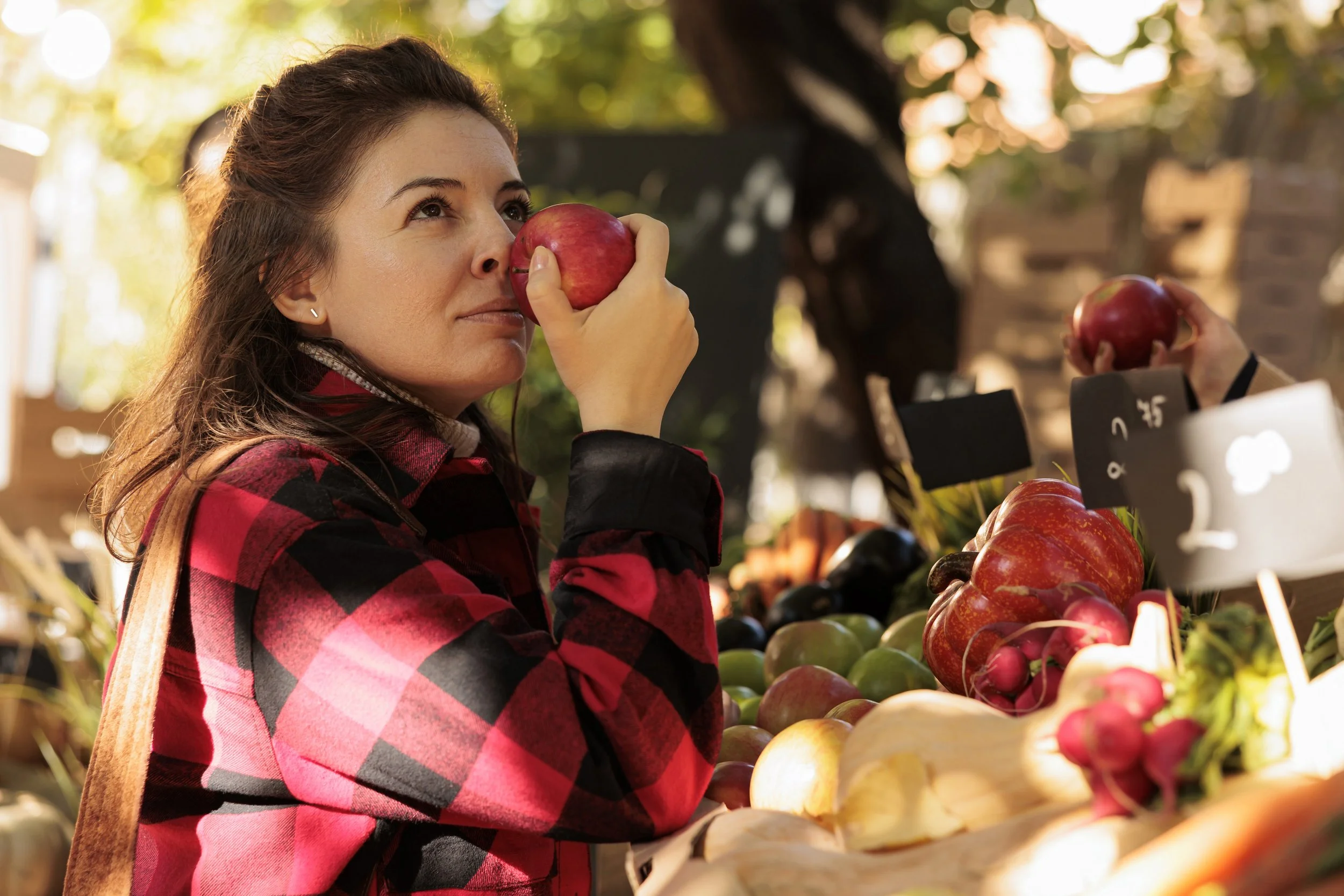
The autumn appetite shift is physiological, not moral. Here is what your body is actually asking for.
Autumn arrives and food changes. Not just the food available — though the seasonal shift in what is at its best is real — but the relationship with food. The appetite for the salads and cold dishes of summer diminishes. Something warmer is wanted. Something denser, more substantial, more comforting in the original sense of the word: food that supports.
For many women, this shift arrives with a familiar anxiety: am I eating too much? Are these cravings something to manage? Is the desire for comforting food a problem or a signal?
It is a signal. And after 50, the body’s nutritional signals deserve particular attention, because the physiological context in which they are being generated has changed in ways that most general dietary advice does not account for.
What the Body Is Actually Requesting
The serotonin reduction of autumn, the immune system’s increased maintenance work, the slight increase in energy expenditure as the body thermoregulates in cooler temperatures — all of these produce genuine appetite changes. The carbohydrate craving is not weakness; it is the tryptophan transport mechanism attempting to support serotonin synthesis. The desire for warmth and density is not self-indulgence; it is thermogenic support.
After menopause, several additional nutritional needs become more significant, and autumn is when many of them are most usefully addressed.
Protein requirements are higher than most women realise. The muscle protein synthesis efficiency of the post-menopausal body is reduced — a phenomenon called anabolic resistance. This means that more protein per meal is required to produce the same muscle maintenance effect as in earlier decades. The PROT-AGE group recommends 1.0–1.2g of protein per kilogram of body weight per day for adults over 65, and a similar level is appropriate from the menopausal transition onward. Autumn’s warm, substantial meals are well-suited to protein density: slow-cooked legumes, eggs, fish, poultry, and dairy all contribute effectively.
Calcium needs remain high and are often under-met. Post-menopausal bone density loss accelerates significantly with the loss of oestrogen’s bone-protective effect. Calcium from food — dairy, canned fish with bones (sardines are excellent), fortified plant milks, leafy greens — supports bone maintenance alongside vitamin D and, for those at risk, HRT. Autumn’s cooking patterns — soups with added greens, sardines on toast, dairy-based warm dishes — are naturally calcium-supportive if chosen with this in mind.
Omega-3 fatty acids for joint and cognitive health. The autumn and winter months are when omega-3 supplementation and oily fish consumption are most relevant: lower sun exposure reduces the activation of omega-3’s anti-inflammatory pathways, and the joint stiffness of cooler weather is partly inflammatory in mechanism. Salmon, mackerel, sardines, and trout, eaten two to three times per week, provide the EPA and DHA that fish oil supplements replicate less efficiently.
The Comfort Food Reframe
Comfort food at 50 is not the enemy of good nutrition. Most of the autumn foods that genuinely comfort — that produce the warmth and satisfaction the body is asking for — are also nutritionally excellent: slow-cooked stews and soups based on legumes and root vegetables; warm grain bowls with roasted vegetables and eggs or fish; baked fish with olive oil and herbs; bean and kale broths.
The comfort that these foods provide is not incidental to their nutrition. The warmth activates the parasympathetic nervous system. The density and satiety reduce the cortisol-driven appetite dysregulation that occurs when eating is insufficient or too irregular. The social context in which comforting food is often eaten — shared, slowly, without a screen — provides the oxytocin and relational nourishment that contributes to overall wellbeing.
Comfort nourishment is nourishment. The autumn instinct towards it is intelligent.
“The body that asks for warmth and substance in October is not asking for something to be managed. It is asking for something specific, and autumn’s food is designed to provide it.”
What to Reduce in Autumn After 50
The evidence-based reductions for post-menopausal nutrition are not about autumn specifically — they apply year-round — but autumn is when they are easiest to address because the seasonal food shift naturally supports them.
Alcohol has disproportionate effects on post-menopausal health: it is directly associated with increased breast cancer risk, worsens hot flushes and night sweats (via its effect on vasomotor instability), disrupts sleep architecture, reduces bone density through its effect on calcium absorption, and increases visceral fat accumulation. The autumn social season is often when alcohol consumption increases; this is worth paying attention to.
Ultra-processed foods, particularly those with high refined carbohydrate and added sugar content, directly worsen insulin sensitivity — which declines post-menopause — and increase visceral adiposity. Autumn’s comfort food craving is best satisfied with whole-food versions of the foods being craved rather than highly processed alternatives.
Enjoy reading Femmementor?
Join our newsletter for thoughtful, practical content on style, wellness, mindset, and life — delivered to your inbox with no noise and no pressure. Just ideas worth your time.
Subscribe at femmementor.com — and read at your own pace.